Have you tried medications and therapy but still feel stuck?
Our accelerated TMS protocol follows an FDA-approved, noninvasive treatment for major depressive disorder (MDD) that can work in days.
Rapid Results
Significant improvement in just 5 days compared to weeks with traditional treatments
Non-Invasive
No surgery, no anesthesia, and no systemic side effects
FDA-Cleared
Proven safe and effective for treating major depression
Minimal Downtime
Return to daily activities immediately after each session

"Accelerated TMS protocols show remarkable efficacy in treatment-resistant cases. The compression of sessions leads to faster therapeutic response without compromising safety."
James Montgomery
Psychiatrist, TMS Specialist

"Accelerated TMS truly changed my life. I noticed improvements sooner than I expected and the entire process felt smooth and manageable"
Sarah L.
Patient
Success Rate
Fast Results

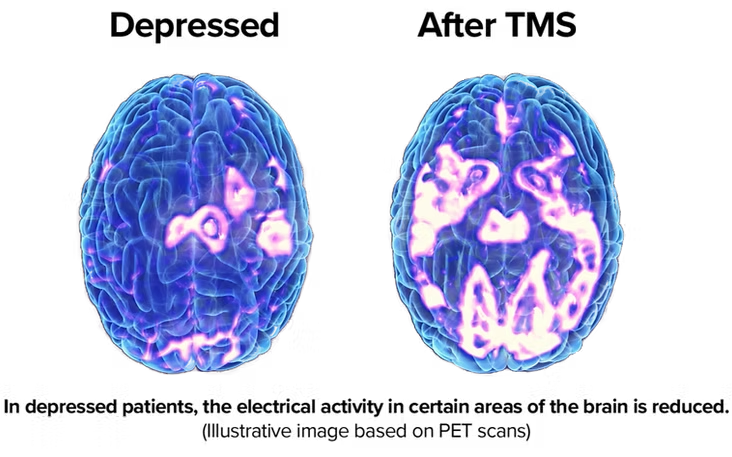
TMS therapy works by using magnetic fields to stimulate specific areas of the brain that are associated with mood regulation and emotional processing. During a TMS session, a magnetic coil is placed against the scalp, and a rapidly changing magnetic field is generated, which induces an electrical current in the brain. This current can activate nerve cells that may not be functioning correctly, leading to improvements in symptoms related to depression, anxiety, and other mental health conditions. The exact mechanism by which TMS therapy produces its beneficial effects is still being studied, but it is believed to involve changes in neural plasticity and the release of neurotransmitters in the brain.
Accelerated TMS is a non-invasive, FDA-cleared treatment for depression that uses magnetic pulses to target areas of the brain involved in mood. The accelerated protocol delivers multiple sessions over a shorter period of time, which can reduce the overall treatment timeline compared with traditional TMS. It may be a helpful option if you want an advanced, medication-free approach.
Whether TMS therapy is right for you depends on various factors, including your specific symptoms, medical history, and treatment goals. Ideal candidates include adults with treatment-resistant depression, those who have not responded will to medications, or individuals seeking a medication-free treatment option. However, it is important to consult with a healthcare professional to determine whether TMS therapy is a suitable option for you. A consultation with our medical team can help you learn more about the treatment, its potential benefits, and whether it may be a good fit for your individual needs.
During a TMS (Transcranial Magnetic Stimulation) therapy session, you may feel a tapping or clicking sensation on your scalp where the magnetic coil is placed. This tapping sensation is typically painless and generally well-tolerated by most individuals. Some people also report feeling a mild headache or scalp discomfort during or after the treatment, but these side effects are usually temporary and go away shortly after the session is completed.
It's important to note that everyone's experience with TMS therapy is different, and some people may not experience any discomfort at all. If you have concerns about potential side effects or discomfort during TMS therapy, it's best to speak with a TMS specialist who can provide more detailed information and address any questions you may have.
Accelerated TMS is generally considered safe and well tolerated by many people. Some people notice mild headache, scalp discomfort, or brief muscle twitching in the face or jaw during treatment. These effects are usually mild and short-lived, and you can talk with our team about any concerns before you begin.
Insurance Notice
Accelerated TMS is an advanced treatment approach that often falls outside standard insurance coverage guidelines. To deliver this therapy without compromise, our practice operates on a private-pay basis and does not bill insurance companies directly. Documentation for out-of-network reimbursement is available upon request.
Private Pay Options
We understand that treatment is an investment in your well-being, and we're happy to work with you to arrange a payment schedule that fits your needs. We accept all major credit cards, debit cards, bank transfers, as well as cash and check. A 3% fee applies to all credit card payments.