
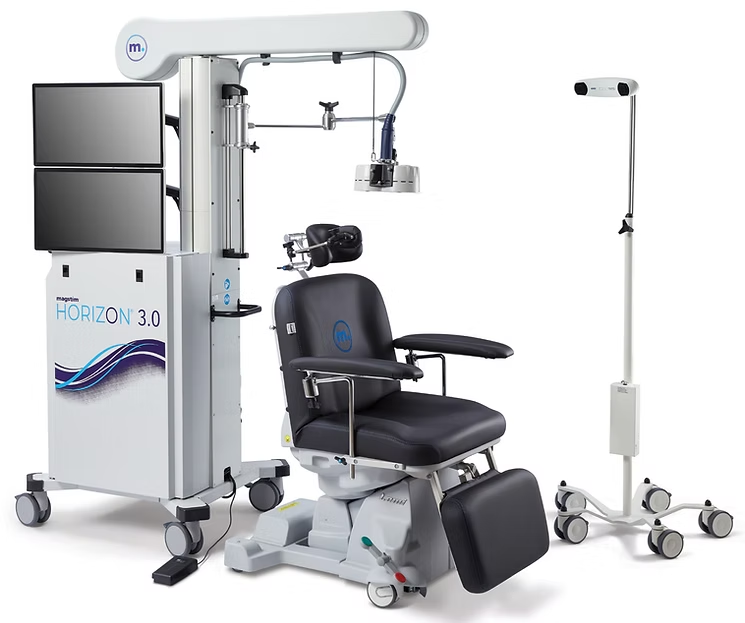

TMS therapy works by using magnetic fields to stimulate specific areas of the brain that are associated with mood regulation and emotional processing. During a TMS session, a magnetic coil is placed against the scalp, and a rapidly changing magnetic field is generated, which induces an electrical current in the brain. This current can activate nerve cells that may not be functioning correctly, leading to improvements in symptoms related to depression, anxiety, and other mental health conditions. The exact mechanism by which TMS therapy produces its beneficial effects is still being studied, but it is believed to involve changes in neural plasticity and the release of neurotransmitters in the brain.
Accelerated TMS is a non-invasive, FDA-cleared treatment for depression that uses magnetic pulses to target areas of the brain involved in mood. The accelerated protocol delivers multiple sessions over a shorter period of time, which can reduce the overall treatment timeline compared with traditional TMS. It may be a helpful option if you want an advanced, medication-free approach.
Whether TMS therapy is right for you depends on various factors, including your specific symptoms, medical history, and treatment goals. Ideal candidates include adults with treatment-resistant depression, those who have not responded will to medications, or individuals seeking a medication-free treatment option. However, it is important to consult with a healthcare professional to determine whether TMS therapy is a suitable option for you. A consultation with our medical team can help you learn more about the treatment, its potential benefits, and whether it may be a good fit for your individual needs.
During a TMS (Transcranial Magnetic Stimulation) therapy session, you may feel a tapping or clicking sensation on your scalp where the magnetic coil is placed. This tapping sensation is typically painless and generally well-tolerated by most individuals. Some people also report feeling a mild headache or scalp discomfort during or after the treatment, but these side effects are usually temporary and go away shortly after the session is completed.
It's important to note that everyone's experience with TMS therapy is different, and some people may not experience any discomfort at all. If you have concerns about potential side effects or discomfort during TMS therapy, it's best to speak with a TMS specialist who can provide more detailed information and address any questions you may have.
Accelerated TMS is generally considered safe and well tolerated by many people. Some people notice mild headache, scalp discomfort, or brief muscle twitching in the face or jaw during treatment. These effects are usually mild and short-lived, and you can talk with our team about any concerns before you begin.
Accelerated TMS typically takes place over 5 consecutive days, with 10 sessions per day. Each session lasts about 10 minutes, so your overall treatment plan is designed to be efficient while still fitting into a structured care schedule. Your team will confirm the details of your visit and what to expect each day.
Getting started is simple. You can reach out to schedule an appointment, and our team will help guide you through the next steps. If you are unsure which service is right for you, we can discuss your concerns and recommend a good starting point during your consultation.
We focus on compassionate, comprehensive mental health care for people dealing with concerns such as depression, anxiety, and related mood symptoms. Because every person’s situation is different, we’ll work with you to determine which treatment approach may be the best fit.
In addition to regular and accelerated TMS, NeuVista Mental Health offers comprehensive psychiatric care, medication management, and psychotherapy. We take a collaborative approach so your treatment plan can be tailored to your needs and goals.
At your first visit, we take time to understand your symptoms, treatment history, and goals. From there, we talk through the care options that may fit your needs, which can include TMS, medication management, psychotherapy, or a combination of services. Our goal is to make the process clear and comfortable from the start.

James Montgomery
Lead TMS Physician

Aisling Key
TMS Technician

Megan Winters
PMHNP-BC

Marielle McDermott
PMHNP-BC