Transform Your Mental Health: 5-Day Accelerated TMS Therapy Program Explained
- NeuVista Clinical Team

- May 22
- 3 min read
Mental health challenges like major depressive disorder (MDD) can feel overwhelming, especially when traditional treatments take weeks or months to show results. What if there was a way to speed up recovery without compromising effectiveness? Accelerated TMS therapy offers a promising option by delivering multiple sessions in a condensed timeframe. This post explains how a 5-day Accelerated TMS program works, what to expect, and why it might be the right choice for those seeking faster relief.

What Is Accelerated TMS Therapy?
Transcranial Magnetic Stimulation (TMS) is a non-invasive treatment that uses magnetic pulses to stimulate nerve cells in the brain areas involved in mood regulation. Traditional TMS therapy typically involves one session per day over 4 to 7 weeks. Accelerated TMS condenses this schedule by delivering multiple sessions daily, often 50 sessions over 5 consecutive days.
This approach aims to provide faster symptom relief while maintaining the safety and effectiveness of standard TMS. The 5-day program usually runs from 8 AM to 6 PM, allowing patients to receive sessions spaced throughout the day with breaks in between.
How Does the 5-Day Program Work?
The 5-day Accelerated TMS program involves:
10 sessions a day: Ten sessions per day, spaced 50 minutes apart.
Daily schedule: Sessions start early in the morning and continue until early evening.
Session length: Each session lasts about 10 minutes using iTBS protocol.
Rest periods: Breaks between sessions allow the brain to respond and reduce fatigue.
Monitoring: Patients are observed for side effects and progress throughout treatment.
This intensive schedule is designed to maximize brain stimulation within a short period. Research shows that repeated stimulation in close succession can enhance neuroplasticity, potentially speeding up improvements in mood and cognitive function.
Who Can Benefit from Accelerated TMS?
Accelerated TMS is especially useful for:
Patients with treatment-resistant depression who have not responded well to medications or psychotherapy.
Individuals needing rapid symptom relief due to severe depression or suicidal thoughts.
Those with scheduling constraints who prefer a shorter treatment timeline.
Patients seeking an alternative to medication and therapy with fewer side effects.
Before starting, a thorough evaluation by a mental health professional is essential to ensure safety and suitability. Not everyone is a candidate for TMS, so personalized assessment helps determine the best approach.
What to Expect During Treatment
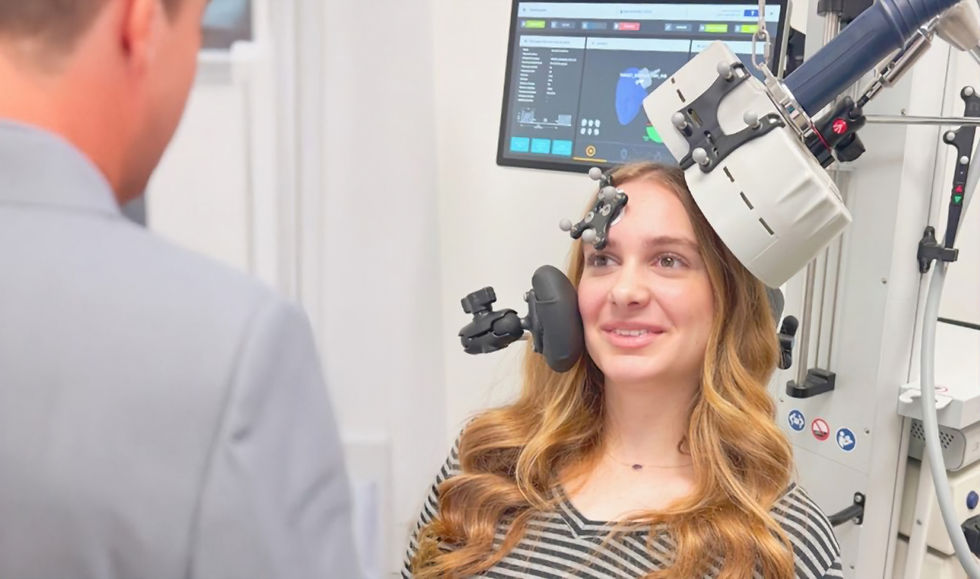
During each session, a small box containing a magnetic coil is placed near the scalp targeting specific brain regions. Patients remain awake and seated comfortably. The magnetic pulses create mild tapping sensations but are generally well tolerated.
Common experiences include:
Mild scalp discomfort or tingling during stimulation.
Temporary headache or fatigue after sessions.
No anesthesia or sedation required.
Patients can resume normal activities immediately after each session. The condensed schedule means some may feel tired by the end of the day, but most report manageable side effects.
Benefits of the 5-Day Accelerated TMS Program
Faster results: Many patients notice mood improvements within the first few days.
Convenience: Completing treatment in one workweek reduces disruption.
Non-invasive: No surgery or medication changes needed.
Minimal side effects: Compared to antidepressants, TMS has fewer systemic effects.
Improved adherence: Shorter treatment duration encourages completion.
Studies indicate that accelerated protocols can potentially be more effective than traditional TMS, with the added advantage of speed. This makes it a valuable option for those seeking quicker relief from depression symptoms.
Important Considerations and Next Steps
While Accelerated TMS offers many benefits, it is not a cure-all. Patients should:
Discuss all treatment options with their healthcare provider.
Understand that multiple treatment courses may be necessary.
Maintain follow-up care and mental health support.
Report any side effects promptly.
Insurance coverage for accelerated protocols is limited, so checking benefits beforehand is helpful. NeuVista Mental Health offers a free consultation to explain the process and answer insurance and private-pay questions.
If you or a loved one struggles with depression and want to explore faster treatment options, ask your doctor about Accelerated TMS. This 5-day program could be the step toward improved mental health and renewed hope.


Comments